

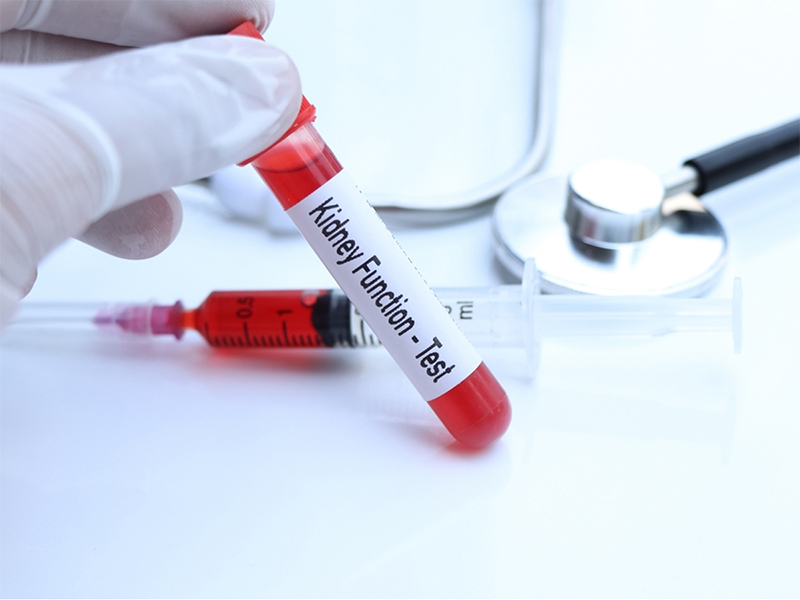
The kidneys are an important part of the body’s filtration system. They help filter blood, remove waste and toxins, such as urea, creatinine, and uric acid, every single day. They filter around 1800 litres of blood and remove extra water and waste in the form of urine. These small, bean-shaped organs work tirelessly, day and night, to keep the internal environment of the organs stable.
Beyond removing toxins, they also help maintain the correct balance of minerals, acids, alkalis and water in the body. They also produce important hormones that stimulate the production of red blood cells and regulate blood pressure.
Conditions such as diabetes and high blood pressure, can negatively impact the kidneys and how well they function. To evaluate how the kidneys are working, doctors recommend a kidney function test, or KFT test, to get valuable information regarding the effectiveness of the kidneys.
To know kidney function test price, do an online search to know the best diagnostic and pathology facilities offering this test.
Types of KFT
- Urinalysis: This test finds the presence of protein and blood in the urine. Protein in urine can build up due to several factors and is not always linked to kidney disease. For instance, an infection and a physical workout can increase the protein levels in the urine. In case of abnormal results, the test may be repeated after a few weeks to compare the results.
- Serum Creatinine Test: This test measures the level of creatinine in the blood and provides an estimate of the glomerular filtration rate. The kidneys usually filter complete creatinine from the blood. An increased amount of creatinine in the bloodstream may suggest a kidney problem.
- Blood Urea Nitrogen (BUN): This test estimates the amount of nitrogen in the blood derived from urea. Urea nitrogen is a breakdown product of protein. This test helps determine how well the kidneys are working.
- Estimated Glomerular Filtration Rate (GFR): It checks how well the kidneys are filtering waste. The calculation considers factors such as age, sex, and serum creatinine levels.
- Electrolyte Levels: IT checks for the levels of calcium, sodium, potassium and phosphate, and evaluates the kidneys’ ability to maintain a proper balance of these essential minerals.
Importance
It is important to regularly go for KFT. Here are some of the reasons:
- Early detection of kidney disease: Kidney conditions may develop silently. To avoid this, a KFT can help identify issues early to allow for timely intervention.
- Monitoring existing health conditions: Individuals with hypertension, diabetes, or a family history of kidney problems, are advised to regularly go for KFTs.
- Assessing the effects of medication: Certain medications can affect kidney function. By monitoring vital kidney parameters, the impact of these medications can be adjusted.
Disclaimer: This article is for informational purposes only. For personalised advice and interpretation of results, consult your physician or a qualified healthcare professional.