

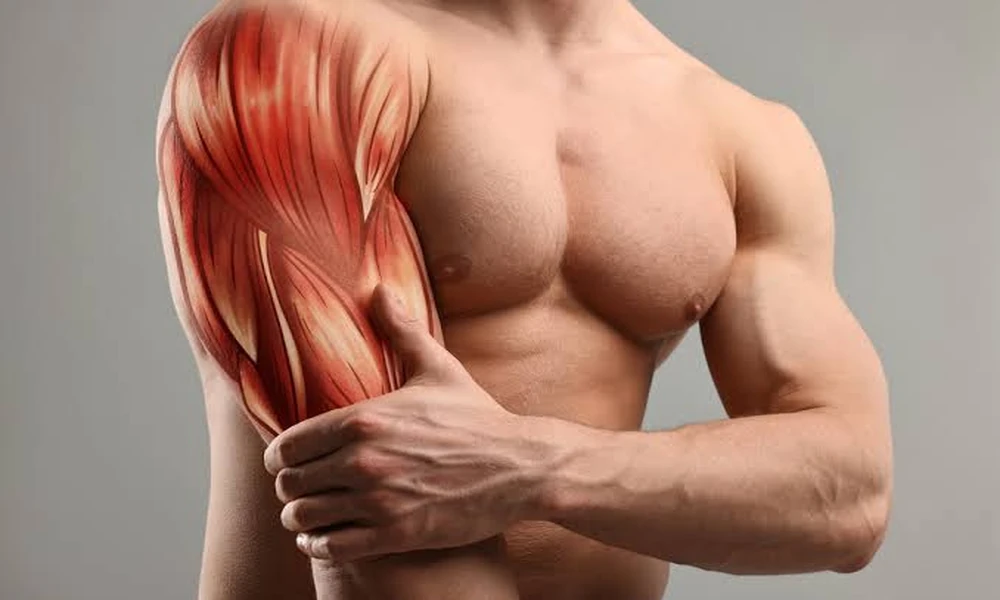
A weekend hike that once felt like a refreshing challenge can feel very different a decade later. The walk itself may not seem harder, yet the stiffness the next morning lasts longer, the legs feel heavier, and getting back to normal can take an extra day or two. These changes are easy to blame on getting older or becoming less active, but something more specific is happening. Muscles gradually lose some of their ability to handle physical stress and return to their previous state as quickly as they once did.
Key Takeaways
- Recovery speed often changes before strength noticeably declines.
- Aging muscles spend more time rebuilding after physical effort.
- Cellular energy production becomes less efficient over time.
- Everyday inflammation can slow the repair process.
- Sleep quality has a direct influence on muscle restoration.
- Movement helps maintain circulation that supports recovery.
- Long-term recovery is shaped by daily habits, not single workouts.
This difference has also widened the conversation around recovery support. As researchers continue to study how light interacts with cellular processes, interest in photobiomodulation has moved beyond skincare and into areas such as physical recovery. A red light therapy panel is one example being explored in this broader wellness context. However, it should be viewed as a complementary approach rather than a replacement for exercise, sleep, or proper nutrition.
Recovery Speed Can Change Before Strength Does
Muscle aging is not simply about losing strength. In many cases, one of the earlier changes is a slower return to normal after physical activity. A person may still be able to lift the same weight, walk the same distance, or complete the same workout, but the body may need more time afterward to repair the minor damage caused by that activity.
This difference becomes more noticeable when physical demands are repeated without enough recovery time. A busy week that combines exercise, long periods of standing, household work, or poor sleep can leave muscles feeling unusually tired. The activity has not necessarily become excessive; the body’s ability to recover from it has changed.
Why Muscles Take Longer to Restore Their Energy
Every movement depends on energy generated inside muscle cells. Much of this work takes place in mitochondria, which convert nutrients into usable cellular energy. As part of normal aging, mitochondrial function can become less efficient. This does not mean muscles suddenly stop producing energy, but the process may not be as effective as it was earlier in life.
That difference matters after exercise. Muscles need energy not only to move but also to repair themselves afterward. When energy production becomes less efficient, recovery can feel slower even when the original activity was manageable. Lingering fatigue, reduced exercise tolerance, and longer periods of soreness can sometimes reflect this gradual change rather than a simple loss of fitness.
The Repair Process Also Changes with Age
Muscle tissue is constantly responding to physical demands. Exercise creates a signal that tells the body to repair and adapt. Younger muscles tend to respond strongly to these signals, allowing damaged tissue to be rebuilt efficiently. With age, the response can become less pronounced.
This is sometimes referred to as age-related anabolic resistance. In simple terms, older muscle may not respond to exercise and dietary protein as strongly as younger muscle does. That does not mean building or maintaining muscle becomes impossible. It means recovery requires more consistent support, particularly through resistance exercise, adequate nutrition, and sufficient rest.
Low-Level Inflammation Can Add to the Delay
Another part of the story happens quietly in the background. Aging is often associated with a gradual increase in low-grade inflammation. Unlike the swelling and soreness associated with an obvious injury, this type of inflammation may not produce a clear symptom that people can identify.
However, the body’s inflammatory environment can influence how tissues respond to stress and repair themselves. Poor sleep, prolonged inactivity, ongoing stress, and an unbalanced diet can further affect this process. For aging muscles, recovery is therefore influenced by what happens between workouts just as much as what happens during them.
Sleep Gives Muscles Time to Rebuild
A workout provides the stimulus, but rest gives the body time to respond. During sleep, the body carries out important maintenance processes involved in tissue repair, hormone regulation, and energy restoration. This makes sleep particularly important for people who are trying to remain active as they get older.
The difficulty is that sleep patterns can change with age. More frequent waking, lighter sleep, or an inconsistent schedule can reduce the amount of uninterrupted rest available for recovery. Someone may therefore continue exercising regularly but feel that the same routine no longer produces the same sense of physical recovery.
Where Light-Based Recovery Options
The search for ways to support physical recovery has expanded beyond exercise and nutrition. One area attracting interest is photobiomodulation, which uses specific wavelengths of light to interact with cells and has been studied in relation to cellular energy and tissue processes. This is where a red light therapy panel enters the broader healthy-aging conversation.
It should not be viewed as a substitute for strength training, adequate nutrition, sleep, or medical care. Rather, light-based approaches are being explored as one possible addition to a wider recovery routine. Research continues to examine how these wavelengths may influence cellular activity and whether those effects translate into meaningful improvements in recovery and physical function.
Staying Active Requires a Different Strategy with Age
Slower recovery does not mean physical activity needs to stop. In fact, maintaining regular movement becomes increasingly valuable. Resistance training helps preserve muscle mass and strength, while walking and other low-impact activities keep the body accustomed to regular movement without placing excessive demands on recovery.
The key is learning to distinguish productive training from constant physical strain. As recovery capacity changes, rest days, protein intake, sleep, hydration, and sensible training volume become part of the exercise plan rather than things added afterward. The goal is no longer simply to do more. It is to create enough stimulus for the muscles to adapt while giving them enough time and support to rebuild.
Aging Changes the Recovery Equation
Slower muscle recovery is the result of several changes working together. Cellular energy production may become less efficient, muscles may respond differently to exercise, inflammation can influence tissue repair, and sleep may become less restorative. None of these changes means that an active lifestyle has to end.
Instead, aging changes the balance between physical demand and recovery. Recognizing that difference can help people adjust their routines before soreness and fatigue begin to dictate what they can do. Supporting muscle health becomes less about pushing through every workout and more about giving the body the conditions it needs to recover, adapt, and remain capable over the long term.