

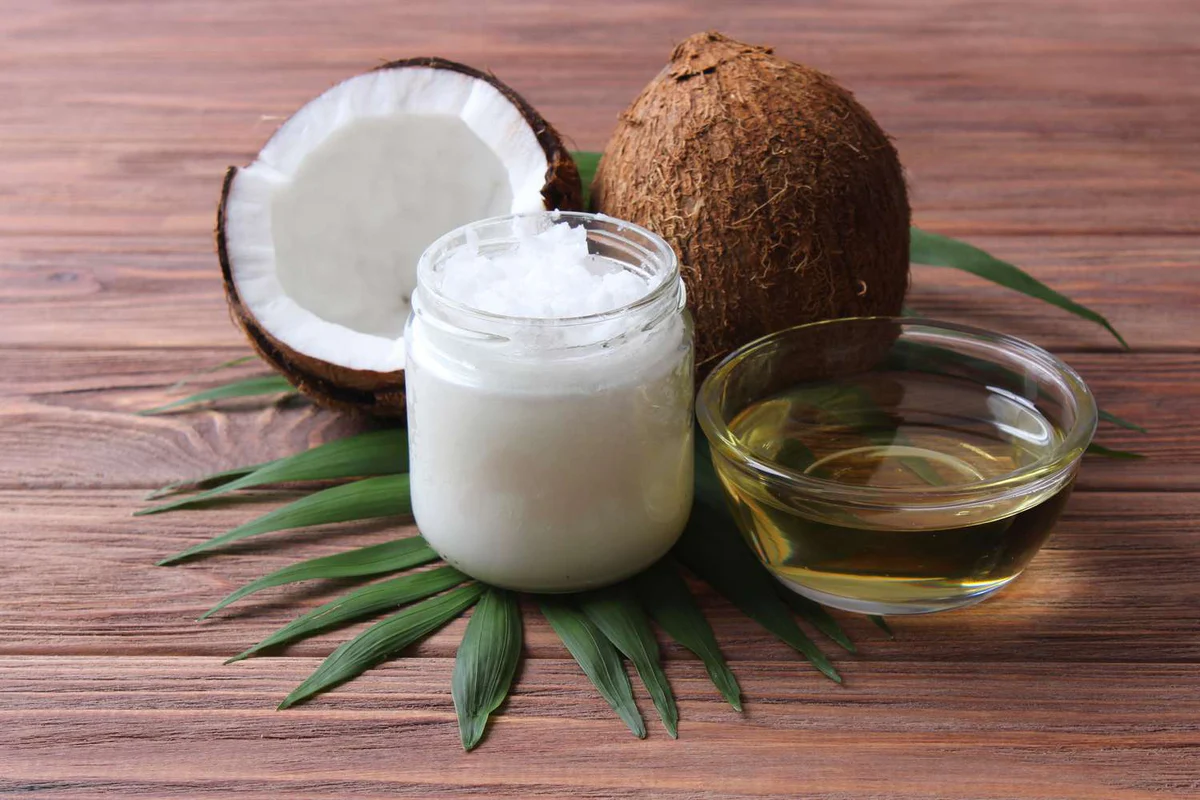
Using Coconut Oil for Skin can provide real benefits, but it does not work equally well for everyone. For dry skin, eczema-prone skin, and body moisturizing, it can be genuinely effective. For oily, acne-prone, or sensitive facial skin, it may make problems worse. Coconut oil is highly comedogenic, which means it can clog pores readily and may trigger breakouts in people with acne-prone skin.
What dermatologists consistently say is that coconut oil is an excellent moisturizer in the right context – it’s just not a universal skincare solution. This guide covers what the research actually supports, who benefits, who should steer clear, and how to use it correctly if you’re in the right camp.
What’s Actually Inside Coconut Oil?
Understanding what coconut oil contains explains both why it works and where its limits are:
| Component | % of Composition | What It Does for Skin |
|---|---|---|
| Lauric acid (saturated fat) | ~49% | Strong antimicrobial properties; kills certain bacteria and fungi on skin surface |
| Myristic acid | ~18% | Emollient – softens and smooths skin texture |
| Caprylic / capric acid | ~13% | Antifungal, antimicrobial; the basis for some acne research |
| Linoleic acid (unsaturated) | ~2% | Anti-inflammatory; supports skin barrier – but very low concentration here |
| Vitamin E | Trace | Antioxidant; protects against UV-related oxidative stress |
| Polyphenols | Trace | Antioxidant activity; more pronounced in virgin/unrefined coconut oil |
The high saturated fat content is what makes coconut oil such an effective occlusive moisturizer – it forms a barrier on the skin that reduces water loss. It’s also what makes it pore-clogging. Those two properties come from the same source.
Benefits of Coconut Oil on Skin – Evidence Rating
| Benefit | Evidence Strength | Notes |
|---|---|---|
| Moisturizing dry skin | Strong | Multiple clinical studies confirm it reduces water loss effectively |
| Improving eczema symptoms | Moderate-Strong | A 2014 study found virgin coconut oil superior to mineral oil for childhood eczema |
| Antimicrobial / antifungal effect | Moderate | Lauric acid is effective against S. aureus and C. albicans in lab settings; less proven in clinical skin use |
| Wound healing support | Moderate | Animal studies show faster healing; limited human clinical data |
| Reducing skin inflammation | Moderate | Anti-inflammatory activity documented; lauric acid shows some COX-2 inhibition |
| Anti-aging / wrinkle reduction | Weak | Hydration improves appearance of fine lines; no strong evidence for structural collagen effect |
| Acne treatment | Weak-Negative | High comedogenic rating makes it unsuitable for acne-prone skin; may worsen breakouts |
| Sun protection | Negligible | SPF ~1-7; not an adequate standalone sunscreen under any circumstances |
Who Should Use Coconut Oil on Their Skin
Coconut oil is a good match for certain skin types and use cases:
- Dry skin – Works beautifully as an overnight body moisturizer or hand cream. The occlusive layer keeps moisture locked in effectively.
- Normal skin (body use) – Great for body lotion, especially after showering while skin is still slightly damp.
- Eczema-prone skin – Studies support its use for atopic dermatitis, particularly in children. Virgin coconut oil outperformed mineral oil in at least one controlled trial.
- Makeup remover – Highly effective at breaking down even waterproof makeup. Apply to a cotton pad, gently wipe, then follow with a gentle cleanser.
- Dry cuticles and feet – Non-issue for clogging since these areas don’t have pores in the same way facial skin does.
- Hair conditioning – Penetrates the hair shaft more effectively than most oils, reducing protein loss during washing.
Who Should Avoid Coconut Oil on Their Face
This matters just as much as knowing who it helps:
- Acne-prone skin – The comedogenic rating of 4/5 means it’s highly likely to clog pores and trigger breakouts. Even a single application on acne-prone skin can cause new comedones to form.
- Oily skin – Adding a heavy occlusive oil to already-excess sebum production is almost never a good idea.
- Sensitive skin – Some people experience contact dermatitis or irritation; always patch test first.
- Rosacea-prone skin – The occlusive film can trap heat and worsen flushing in some people.
Dermatologist Dr. Whitney Bowe has noted: ‘Coconut oil is wonderful for the body but terrible for acne-prone faces. It’s one of the most pore-clogging oils you can put on skin.’ This is mainstream dermatological consensus.
Refined vs. Virgin Coconut Oil: Which Is Better for Skin?
| Factor | Refined Coconut Oil | Virgin (Unrefined) Coconut Oil |
|---|---|---|
| Processing | Bleached and deodorized; heat-processed | Cold-pressed from fresh coconut; minimal processing |
| Scent | Neutral / odorless | Distinct coconut scent |
| Polyphenol content | Lower – processing reduces antioxidants | Higher – retains natural antioxidants |
| Lauric acid content | Similar to virgin | Similar to refined |
| Best for skin? | Fine for body use; slightly less beneficial | Preferred for skin – more bioactive compounds |
| Price | Generally cheaper | Generally more expensive |
For skin applications, virgin (unrefined, cold-pressed) coconut oil is the better choice. The additional polyphenols and intact fatty acids make a meaningful difference for anti-inflammatory and antioxidant effects.
Coconut Oil vs. Other Facial Oils
| Oil | Comedogenic Rating (0-5) | Best Skin Type | Key Benefit |
|---|---|---|---|
| Coconut Oil | 4 | Dry, normal (body); avoid on acne-prone face | Deep moisturizing, antimicrobial |
| Jojoba Oil | 2 | All skin types, including oily and acne-prone | Structurally similar to sebum; regulates oil production |
| Argan Oil | 0 | All types, especially aging and dry skin | High linoleic acid; antioxidant-rich; non-comedogenic |
| Rosehip Oil | 1 | Dry, mature, hyperpigmented skin | High in vitamin A and C; supports collagen; brightening |
| Marula Oil | 3-4 | Dry, mature skin | Fast-absorbing; very high oleic acid; luxurious texture |
| Squalane | 0-1 | All skin types including sensitive and acne-prone | Lightweight; mimics natural skin lipids; highly stable |
If you want an oil safe for acne-prone or oily facial skin, jojoba, argan, or squalane are significantly better choices than coconut oil.
How to Use Coconut Oil on Skin
| Use Case | Method | Tips |
|---|---|---|
| Body moisturizer | Apply to damp skin after shower; massage in | Most effective when skin is still slightly wet – seals in moisture |
| Makeup remover | Apply to dry face; massage gently; wipe with cotton pad; follow with cleanser | Double cleanse after to avoid residue buildup |
| Eczema / dry patches | Apply directly to affected area 1-2x daily | Virgin coconut oil preferred; patch test first |
| Lip balm | Dab small amount on lips as needed | No pore-clogging concern on lips; works well |
| Cuticle care | Massage into cuticles nightly | One of the best uses – softens effectively |
| Hair mask | Apply to mid-lengths and ends before washing; leave 30 min | Avoid applying to scalp if you have dandruff or oily scalp |
Simple DIY Coconut Oil Skin Recipes
1. Coconut + Sugar Body Scrub
Mix 1/2 cup virgin coconut oil with 1/2 cup white or brown sugar. Optional: add 10 drops of lavender essential oil. Use in the shower on wet skin, scrub gently in circular motions, rinse well. Leaves skin smooth and moisturized – no additional lotion needed.
2. Overnight Heel Treatment
Apply a generous layer of coconut oil to cracked, dry heels before bed. Put on a pair of clean cotton socks over the top. In the morning, heels are noticeably softer. Repeat nightly for a week for best results.
3. Coconut Oil Eye Makeup Remover
Scoop a small amount (about a pea-size) onto your ring finger. Press gently onto closed eyelid and lash line for 10 seconds. Wipe with a warm, damp cloth. Removes waterproof mascara and long-wear liner cleanly – without the tugging that damages the delicate skin around the eyes.
| Bottom line: Coconut oil is a genuinely effective skincare ingredient – for the right person, in the right place. Use it on your body, for dry patches, or as a makeup remover. Keep it off your face if you’re acne-prone. And when in doubt, patch test on your inner arm for 24 hours before applying to your face. |