

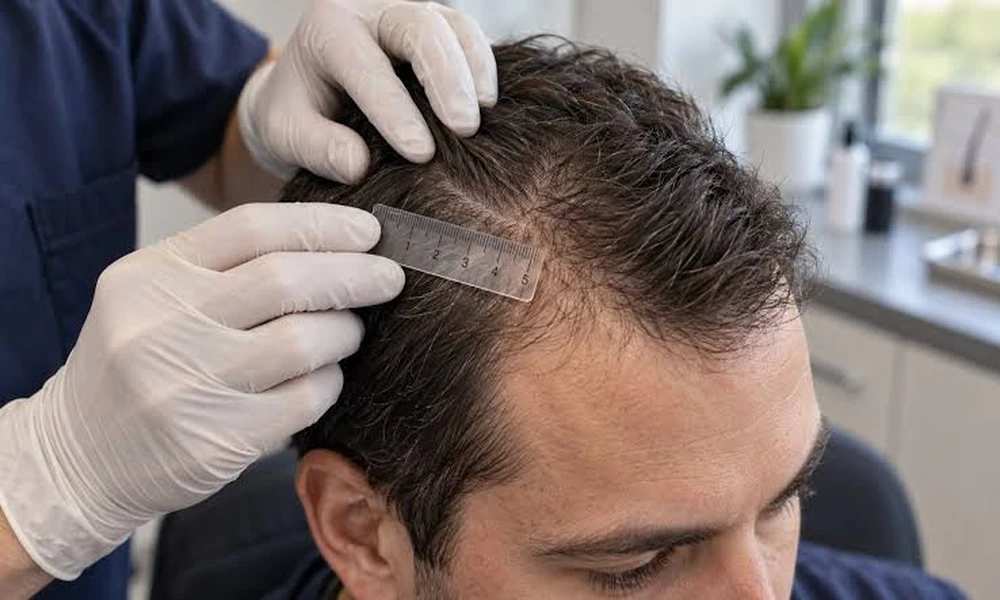
Restoring a fuller appearance requires careful planning based on individual needs. Hair growth patterns differ from person to person. Some individuals prefer a fuller look around the front, while others focus on areas with reduced coverage. A personalised approach helps match treatment plans with individual expectations. Guidance from a qualified fue hair transplant clinic thailand supports informed decisions.
Understanding Individual Growth Patterns
Every person has a different growth pattern that influences the overall appearance. Some areas may have good coverage while others show noticeable thinning. Examining these differences helps specialists understand the amount of coverage required. It also allows them to prepare a plan that suits the individual’s natural features.
Several personal details help guide the initial assessment:
- Examining existing growth patterns across different scalp areas.
- Checking donor hair availability before preparing the treatment plan.
- Reviewing individual expectations regarding overall appearance.
- Identifying areas that require additional coverage.
- Discussing suitable density goals based on personal needs.
Planning A Personalized Approach
A carefully prepared plan helps achieve balanced coverage across the treated area. Specialists consider the existing growth direction and available donor supply before deciding the placement pattern. This preparation supports a natural-looking result while maintaining suitable proportions. Each plan can be adjusted according to individual requirements.
At a fue hair transplant clinic thailand specialists assess the donor region and determine the number of grafts required. They also consider the preferred hairline shape and expected coverage. These details help establish a suitable approach before the procedure begins. Proper planning creates a clear direction for the treatment process.
Maintaining Natural Growth Direction
The direction of implanted follicles plays an important role in creating a natural appearance. Specialists study the existing growth angle before placing individual grafts. Following the natural pattern helps maintain visual consistency across treated areas. Careful placement also supports an even appearance around the frontal region and crown.
Several factors influence the placement process:
- Following natural follicle angles during individual graft placement.
- Maintaining suitable spacing between implanted follicular units.
- Considering existing growth direction across surrounding areas.
- Distributing grafts according to the required coverage level.
- Creating balanced placement around the frontal hairline region.
Supporting Recovery And Regrowth
After the procedure, proper aftercare helps the scalp recover as expected. Specialists provide instructions about washing and daily scalp care. Following these directions supports the healing process while helping newly placed follicles settle into their surroundings. Regular follow-up appointments also allow specialists to review progress.
Visible changes develop gradually rather than immediately after treatment. Initial shedding can occur before new growth begins. Over the following months, the treated region gradually develops a fuller appearance.
Reviewing Results And Progress
Regular assessments help determine whether the treated areas are developing as expected. Specialists compare progress with the original treatment plan and review changes in overall coverage. These appointments also provide an opportunity to address personal concerns and receive further guidance.
A successful outcome depends on individual planning and careful follicle placement. Selecting an experienced specialist helps establish suitable coverage goals from the beginning. Following aftercare instructions and attending scheduled reviews also support the recovery process. A personalised treatment plan provides a practical way to work towards a fuller appearance while respecting natural growth characteristics.