

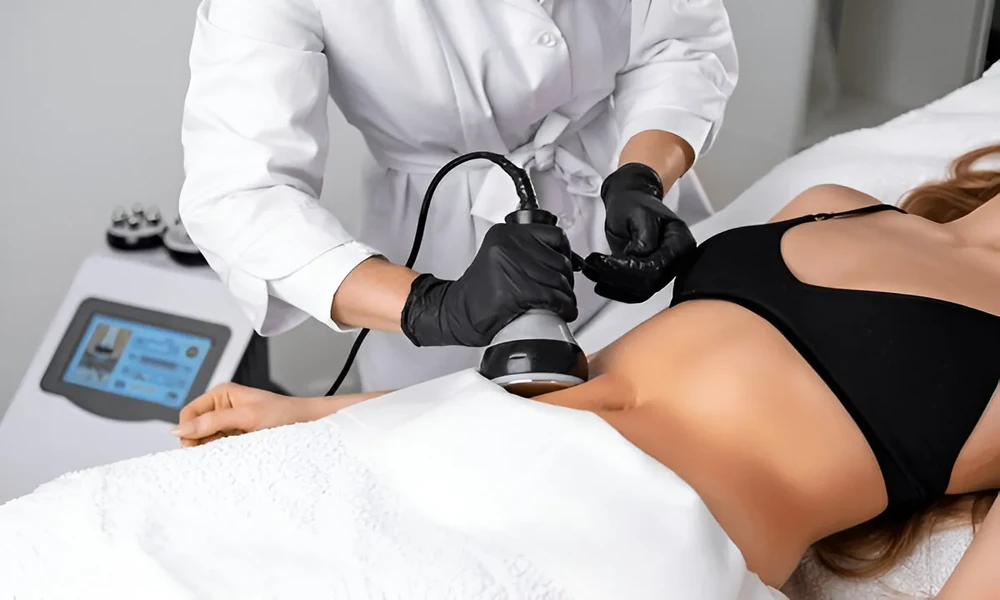
Whether it is stubborn fat that never seems to disappear, or skin that has lost its youthful tautness, the promise of body contouring procedures captures many imaginations. The sheer variety of treatments on the market can be overwhelming, and not every technology is suited to every body or goal. So, what really matters when deciding on the best path to a more sculpted you?
Understanding Body Contouring Procedures
Body contouring refers to a range of aesthetic treatments designed to reshape or firm different areas of the body. These procedures target unwanted fat, loose skin, and sometimes even muscle tone, offering solutions for those seeking refined contours where diet and exercise fall short.
What Is Body Contouring?
At its core, body contouring is about improving the silhouette. Some procedures remove fat cells permanently, while others stimulate the skin or underlying muscles to create a firmer, smoother appearance.
Types of Body Contouring: Surgical vs. Non-Surgical
The landscape divides into two major camps: surgical (like liposuction or tummy tucks) and non-surgical (including radiofrequency, lasers, and injectable treatments). Surgical options tend to deliver dramatic results quickly but require longer recovery. Non-surgical methods are gentler, often using energy-based devices or injectables to gradually sculpt and tighten.
Common Goals and Desired Outcomes
Most people pursue contouring to reduce localized fat, tighten sagging skin, enhance muscle definition, or address cellulite. Realistic expectations are essential, these procedures offer improvement, not perfection.
Key Factors Influencing Procedure Choice
No single body contouring solution fits everyone. The best choice hinges on several personal factors.
Skin Type and Texture Considerations
Treatments that use heat or light interact differently with various skin types. For example, certain lasers are better suited to lighter skin, while radiofrequency devices offer more flexibility across tones. Assessing your baseline skin quality can help steer you toward safe, effective technologies.
Body Area and Targeted Concerns
Are you looking to sculpt your abdomen, thighs, arms, or lift your buttocks? Different devices specialize in different regions. For instance, muscle stimulation devices like Trubody-TruFlex target muscle tone, while radiofrequency tools excel at skin tightening in multiple areas.
Degree of Fat Reduction and Skin Tightening Needed
Not all devices can address significant fat deposits or severe laxity. If you need major changes, surgical routes may be necessary. For mild to moderate improvements, modern non-invasive options, such as those offered through Clinique Anti Aging body tightening, can be highly effective.
Patient Health and Medical History
Underlying medical conditions, medications, or previous surgeries can change your risk profile. A thorough evaluation with a qualified practitioner ensures that treatments are safe for you.
Recovery Time and Lifestyle Impact
Some people can set aside days or weeks for recovery, while others prefer “lunch break” options with no visible downtime. Non-surgical procedures usually fit easily into busy schedules, while surgical options require planning for rest.
Exploring Popular Technologies and Treatments
Today’s body contouring landscape includes impressive innovations, each with distinct benefits.
Radiofrequency Devices: How They Work and Their Benefits
Devices like Venus Legacy or Xerf use radiofrequency energy to heat the skin’s deeper layers, stimulating collagen and tightening tissue. They’re often chosen for their ability to smooth and firm with minimal risk.
Laser Treatments: Options and Effectiveness
Next-generation lasers, such as LaseMD Ultra, offer resurfacing and improvement in skin tone and texture. These treatments typically involve little downtime and can be tailored for different skin types.
Muscle Sculpting Technologies: Magnetic and Electrical Stimulation
Trubody-TruFlex and Starformer use magnetic pulses to trigger thousands of muscle contractions per session, enhancing muscle definition and firmness with no incisions.
Injectable Biostimulants and Fillers for Contouring
Products like PLLA and CaHA fillers stimulate collagen and add volume, useful for butt lifts, facial contouring, or smoothing cellulite. Results emerge gradually as your body produces new tissue.
Combining Treatments for Optimal Results
Many clinics combine technologies, laser for texture, radiofrequency for tightening, and injectables for volume, to address multiple concerns in a customized plan.
Assessing Safety, Risks, and Expected Results
Every procedure carries risks, no matter how advanced. Temporary swelling, redness, or tenderness are common, but serious complications are rare when performed by skilled professionals. Being honest about what body contouring can achieve is critical. These procedures refine and enhance but do not replace healthy habits or create dramatic changes overnight.
Cost, Accessibility, and Long-Term Maintenance
Body contouring procedures vary widely in cost depending on the technology and area treated. Non-surgical sessions can range from $300 to $1,500 each, while surgical options quickly climb into the thousands. Insurance rarely covers cosmetic procedures, though some clinics offer financing. Maintaining results requires a commitment to healthy lifestyle choices and, for some treatments, periodic touch-ups.
Looking ahead, technology continues to evolve, making treatments more effective, accessible, and comfortable. With careful research and realistic expectations, your journey toward a more sculpted silhouette can be safe and satisfying.